
Pointing Services: Protect Your Masonry | BR Masonry Cleveland
When your home’s brickwork or stone façade starts to show cracks, gaps, or crumbling mortar, the problem isn’t just cosmetic—it’s a warning sign that your structure is at risk. At BR Masonry, we specialize in professional pointing services that safeguard your investment, boost curb‑side appeal, and extend the life of your masonry for decades to come.
Why Proper Pointing Is the Unsung Hero of Masonry Maintenance
Pointing, also known as repointing or mortar repair, is the process of renewing the mortar joints between bricks, blocks, or stone. While it may seem like a simple cosmetic touch‑up, the reality is far more critical:
- Water Infiltration: Deteriorated mortar allows moisture to seep behind the bricks, leading to freeze‑thaw damage, efflorescence, and mold growth.
- Structural Integrity: Weak joints compromise load distribution, potentially causing wall bulging or even collapse.
- Energy Efficiency: Gaps let drafts in, raising heating and cooling costs by up to 15 % in older homes (U.S. Department of Energy, 2022).
- Property Value: A well‑maintained façade can increase resale value by 5‑10 % according to the National Association of Realtors.
Real‑World Example: The Cleveland Brickhouse
In 2021, a historic brick home in Cleveland’s Tremont neighborhood suffered severe water damage after years of neglected pointing. After a case study by the National Restoration Association, the owners invested in a full repointing project with BR Masonry. Within six months, interior humidity levels dropped by 30 %, and the property’s market appraisal rose by $25,000.
Our Comprehensive Pointing Services
1. Visual Inspection & Diagnostic Report
Every successful project starts with a thorough assessment. Our certified technicians use:
- Laser levels for precise joint measurement
- Moisture meters to detect hidden water intrusion
- High‑resolution photography for before‑and‑after documentation
Clients receive a detailed Pointing Diagnostic Report outlining:
- Problem areas and severity
- Recommended mortar mix (lime, cement, or blended)
- Projected timeline and cost estimate
2. Mortar Selection Tailored to Your Masonry
Choosing the right mortar is crucial. We consider:
- Historical Compatibility: For heritage buildings, we use lime‑based mortars that match the original composition.
- Strength Requirements: High‑load walls receive a cement‑lime blend for added durability.
- Environmental Factors: In Cleveland’s freeze‑thaw climate, we incorporate air‑entraining agents to improve resilience.
3. Precision Removal of Deteriorated Mortar
Our team employs hand tools, pneumatic grinders, and vacuum extraction to remove old mortar without damaging surrounding bricks. This meticulous approach preserves the structural integrity and aesthetic of the façade.
4. Application of New Mortar & Finishing
We apply mortar in layers, allowing each to cure properly. The final step includes:
- Tooling joints to match original profiles (concave, flush, or struck)
- Cleaning excess mortar for a crisp finish
- Applying a breathable sealant where appropriate
5. Post‑Project Inspection & Maintenance Plan
After completion, we conduct a final walkthrough and provide a Maintenance Checklist to help you monitor your masonry year after year.
Benefits of Choosing BR Masonry for Pointing Services
- Local Expertise: Based at 1862 Akron Peninsula Rd, Akron, OH, we understand Cleveland’s climate challenges.
- Certified Professionals: All technicians hold certifications from the Masonry Institute of America.
- Transparent Pricing: No hidden fees—just a clear, itemized quote.
- Rapid Turnaround: Most residential projects are completed within 7‑10 business days.
- Warranty Assurance: We back our work with a 5‑year structural warranty.
Understanding the Pointing Process: Step‑by‑Step
Step 1 – Site Preparation
We protect surrounding landscaping, cover windows, and set up safety barriers. This minimizes disruption and ensures a clean work environment.
Step 2 – Mortar Removal
Using a combination of hand tools and low‑vibration equipment, we carefully extract compromised mortar to a depth of 3/4 inch, the industry standard for effective repointing.
Step 3 – Cleaning the Joints
All dust and debris are vacuumed out, preventing weak adhesion. In high‑traffic areas, we apply a mild anti‑dust spray to keep joints clean during curing.
Step 4 – Mixing the Mortar
Our on‑site mixing station ensures the mortar achieves the perfect consistency, measured by a slump test for optimal workability.
Step 5 – Filling the Joints
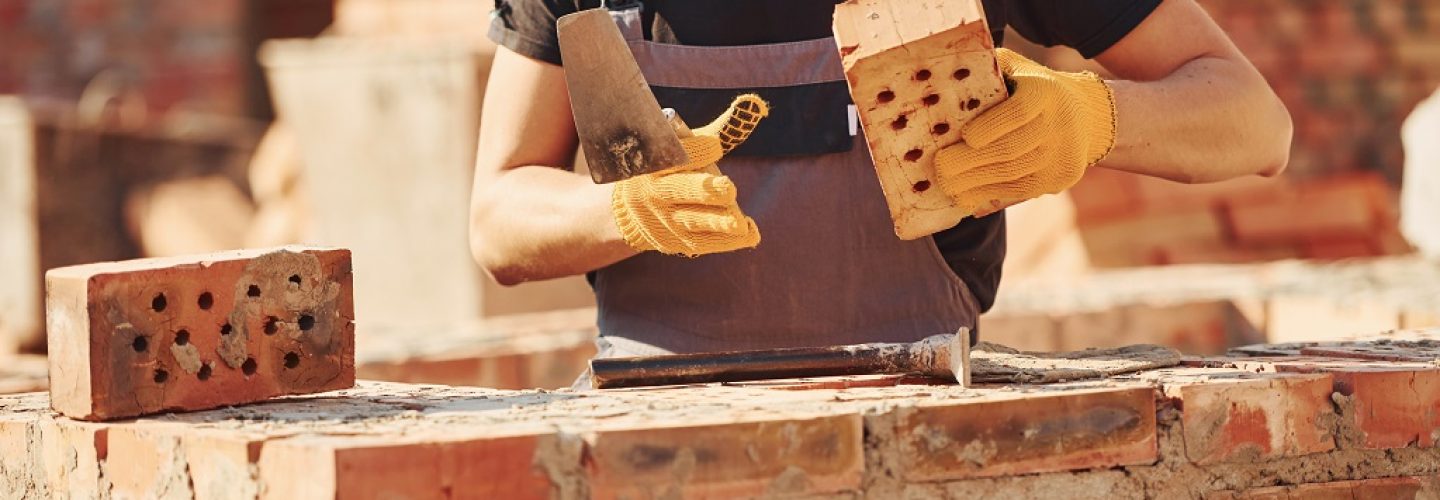
Mortar is packed tightly using a pointing trowel, then over‑filled slightly to allow for tooling.
Step 6 – Tooling & Shaping
We replicate the original joint profile, which not only looks authentic but also directs water away from the wall.
Step 7 – Curing & Protection
Mortar cures for 24‑48 hours under controlled humidity. For colder days, we use insulated blankets to maintain temperature.
Step 8 – Final Inspection
A senior supervisor verifies joint depth, alignment, and color match before signing off.
Common Misconceptions About Pointing
Myth 1: “A thin coat of mortar will do.”
Insufficient depth leads to rapid failure. Industry guidelines require a minimum joint depth of 3/4 inch for durability.
Myth 2: “All mortars are the same.”
Mortar composition dramatically affects breathability, flexibility, and color. Using the wrong mix can cause spalling or discoloration.
Myth 3: “DIY pointing saves money.”
Improper technique often results in costly re‑work. Professional pointing ensures a lasting solution and protects your home’s value.
How to Spot Early Signs That You Need Pointing Services
- Cracked or crumbling mortar joints
- Efflorescence (white salt deposits) on bricks
- Water stains on interior walls adjacent to exterior masonry
- Loose bricks or stone that can be tapped and feel hollow
- Visible gaps or “popping” mortar after freeze‑thaw cycles
Cost Factors: What Influences the Price of Pointing?
Understanding pricing helps you budget effectively. Key variables include:
| Factor | Impact on Cost |
|---|---|
| Project Size (sq ft) | Base rate $8‑$12 per sq ft |
| Mortar Type (lime vs. cement) | Lime mortar adds 15‑20 % |
| Accessibility (height, scaffolding) | Scaffolding adds $1‑$2 per sq ft |
| Historic Restoration Requirements | Specialized labor can increase cost by 25 % |
| Seasonal Demand | Winter projects may incur heating surcharge |
For a typical 1,200 sq ft residential wall, expect a range of $9,600‑$14,400. Contact us for a free, no‑obligation quote.
Why Choose a Local Cleveland Partner?
Local contractors understand the unique challenges posed by the Cleveland climate—including heavy snowfall, freeze‑thaw cycles, and high humidity near Lake Erie. Our proximity allows us to:
- Respond quickly to emergencies (within 24 hours)
- Source region‑specific materials that match local historic masonry
- Provide ongoing maintenance visits tailored to seasonal changes
Client Testimonials
“BR Masonry transformed our crumbling patio wall into a stunning focal point. Their attention to detail and professionalism were unmatched.” – Emily R., Cleveland, OH
“The team explained every step, used the right lime mortar for our historic home, and finished ahead of schedule. Highly recommend!” – Mark T., Akron, OH
Frequently Asked Questions (FAQs)
What is the difference between pointing and repointing?
Both terms describe the renewal of mortar joints. “Pointing” often refers to the initial process, while “repointing” emphasizes the replacement of existing, deteriorated mortar.
How long does a pointing project typically take?
For an average residential façade (≈1,200 sq ft), the full process—from inspection to final inspection—takes 7‑10 business days, weather permitting.
Can I paint over newly pointed mortar?
Yes, but we recommend waiting at least 28 days for full curing. Use a breathable masonry paint to avoid trapping moisture.
Is pointing covered by homeowner’s insurance?
Most policies consider pointing a preventive maintenance activity, not a covered loss. However, documenting the work can support future claims related to water damage.
How often should I schedule pointing maintenance?
Inspect your masonry annually. In Cleveland’s climate, a full repointing every 10‑15 years is typical for residential properties, while historic structures may require more frequent attention.
Ready to Protect Your Masonry? Here’s What to Do Next
Don’t wait until cracks become costly repairs. Take the first step toward a stronger, more beautiful home today.
- Email us for a free diagnostic report.
- Call us at (234) 349‑1242 to schedule an on‑site inspection.
- Visit our website to view our portfolio and read more client success stories.
BR Masonry – Your trusted partner for pointing services in Cleveland and the Greater Ohio area.
Contact Information
BR Masonry
1862 Akron Peninsula Rd,
Akron, OH 44313, USA
Phone: (234) 349‑1242
Email: